Proud and empty is a choice.
In 2006, I sat in Starwood’s Revenue Management Academy with a roomful of sharp hotel operators. I retained everything they taught me. The systems, the analytics, the leadership frameworks. But two things from that training have carried emotional weight for twenty years, and they are the foundation of everything I believe about hotel pricing strategy.
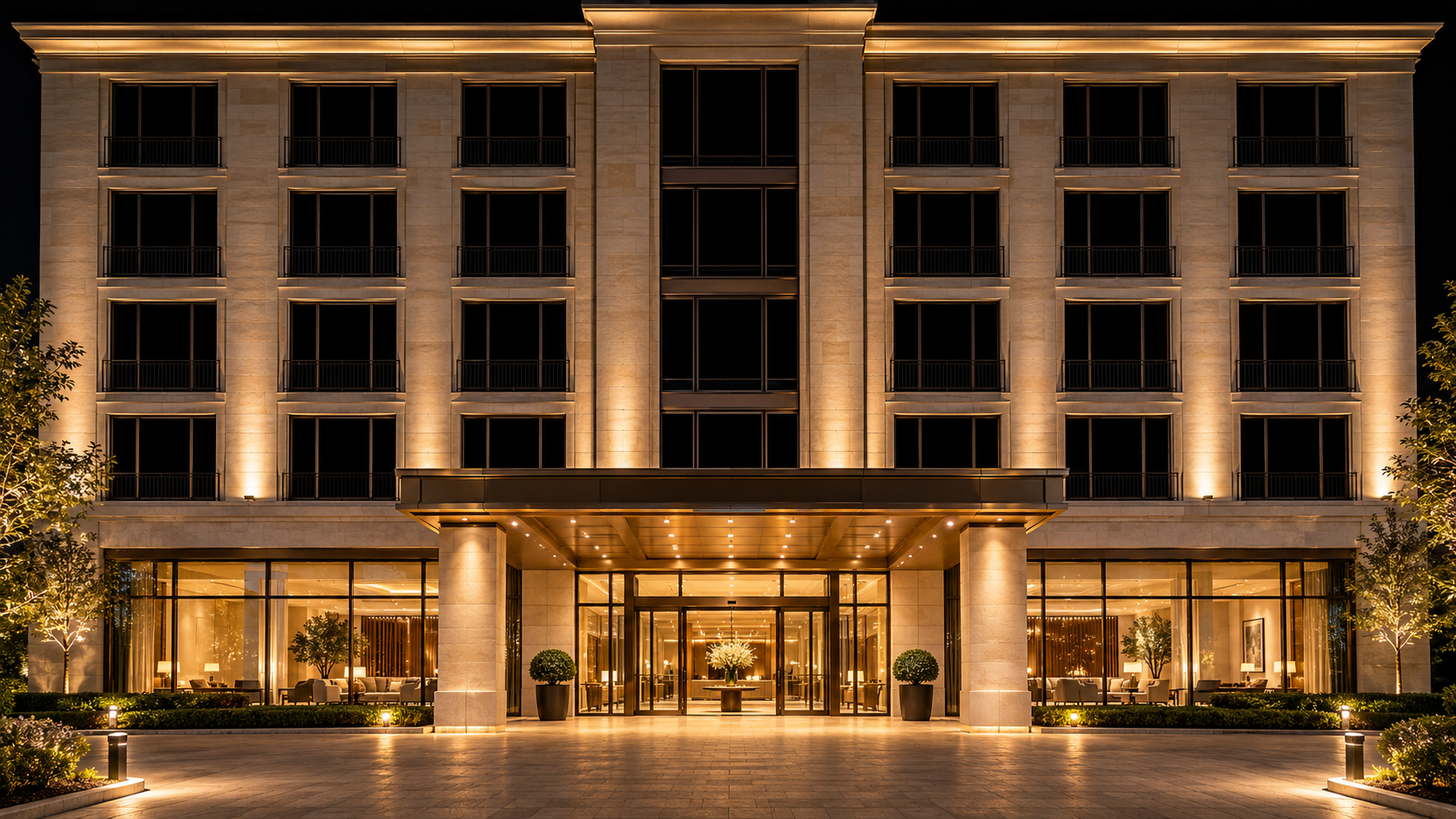
The first came from Nina Fairholm, who was Director of Revenue Management Training at the time. One team in the room was defending their rack rate with everything they had. The hotel was stunning. The rate was untouchable. The occupancy was a problem. Nina listened patiently and then said: “It sounds like you all are proud and empty.”
I have never forgotten that. And I have never stopped watching it happen.
It was a story the hotel was telling itself.
Here is a version I lived. One of the hotels I managed in Colorado was competing with a well-known resort property nearby. Their public rate was sitting around 275. Their realized average rate was around 110. The gap between what the hotel believed it was worth and what the market was actually paying for it was not a pricing strategy. It was a story the hotel was telling itself.
Shortly after I took over revenue management, a major OTA called. They were running a regional promotion and wanted us in it, the way we had always been in it, with deep discounts that had historically generated thousands of room nights for them. I declined the terms and offered something much narrower: a four-night minimum stay at 25% off, structured around our softest demand window. That is not a concession. That is math. If I am getting a stay well outside my normal demand pattern, I am not trading anything down.
What followed was three phone calls, each one more senior than the last. The message was essentially the same: cooperate or reduce your visibility on the platform. My response was the same each time: if I can give you 75% off, everything about my pricing is wrong.
The ownership relationship that came out of that became one of the strongest of my career. Because once you show an owner that the number on the website is not the number that runs the business, and that you can close the gap between them, the conversation changes entirely.
Here is what actually matters.
The thing hotels almost never analyze is how pricing strategy flows through the entire P&L. Every hotel has a daily breakeven number, a fixed floor of mortgage, minimum staffing, and baseline operations that has to be covered before the property makes a single dollar of profit. Hotels almost never price in relation to that number. They price in relation to their comp set, their brand guidelines, or familiar benchmarks that may not actually reflect what their market will bear, and then wonder why revenue growth does not translate to margin.
Here is what actually matters. A hotel has a minimum staffing level it cannot operate below and a maximum it cannot exceed regardless of demand. Between those bands, adding occupancy adds cost. Above the upper band, something different happens. The housekeepers already have stayovers. The front desk is already staffed. The cost of the next incremental room is essentially the water, the electricity, and the amenities the guest consumes. That room at a deep discount is not the same decision as that same discount at 60% occupancy. The profitability math is completely different and almost no one is running it.
What I would do, when the forecast was reliable and I knew we were not going to sell out, was open a narrow window of deeply discounted inventory at the top of the occupancy band. Not because the rate was good. Because the margin on that room was almost entirely profit, the cost structure was already absorbed, and the alternative was an empty room that contributed nothing. That is not a concession to a channel. That is arithmetic.
Scroll to pass the night. Tap a dark room to open it at a discount.
Sold Unsold
Open a dark room before the night is gone.
Evening
Morning
Your customer does.
The rack rate does not tell you what your hotel is worth. Your customer does. If they are not buying at your rate through a given channel, the market has already answered the question. You can respond by optimizing your content, your distribution, your direct booking experience. What you cannot do is defend a number the market has already rejected and call it brand integrity.
It is the whole game.
The second thing I carried out of that training came from a quick back-and-forth between MaryBeth Reeves and Annamarie Lucey. I don’t remember who said which line because they were that dynamic together, but the exchange landed as one idea: “A hotel room is the most perishable inventory in the world. You cannot go back to yesterday to sell it. If it is not sold, it is just gone. There is really no other inventory like that.”
Those two moments, twenty years apart from where I sit now, are still the foundation. Perishability is not a problem to be managed around. It is the whole game. A room you were too proud to discount last night does not exist anymore. The question was never whether your rate was defensible. The question was whether it sold.
More coming.
Proud and empty is a choice. Understanding your inventory changes the math on that choice entirely.
This is the first post in Making Dollars Make Sense, a series on hotel revenue strategy, profitability, and the thinking behind decisions that actually move the needle for ownership. More coming.
Proud and empty is a choice. Understanding your inventory changes the math on that choice entirely.
The rack rate does not tell you what your hotel is worth.
Your customer does.
A hotel room is the most perishable inventory in the world.
The question was whether it sold.
More coming.
This is the first post in Making Dollars Make Sense, a series on hotel revenue strategy, profitability, and the thinking behind decisions that actually move the needle for ownership. More coming.
Email updates are not available yet. This form cannot accept subscriptions.